

“Landscaping” can mean anything from recurring mowing to a full property renovation. Before booking, make sure the company, proposal, and schedule all match the kind of result you want. That one decision makes every later conversation about design, site preparation, price, and timing more useful.
On Troy properties, a larger project may also need to account for mature trees, existing pavement, grade changes, drainage patterns, clay-heavy soil, and Michigan freeze-thaw movement. The questions below help homeowners separate routine yard care from landscape construction and compare the details that determine how a finished project will function.
Do I Need Lawn Care or a Landscape Project?
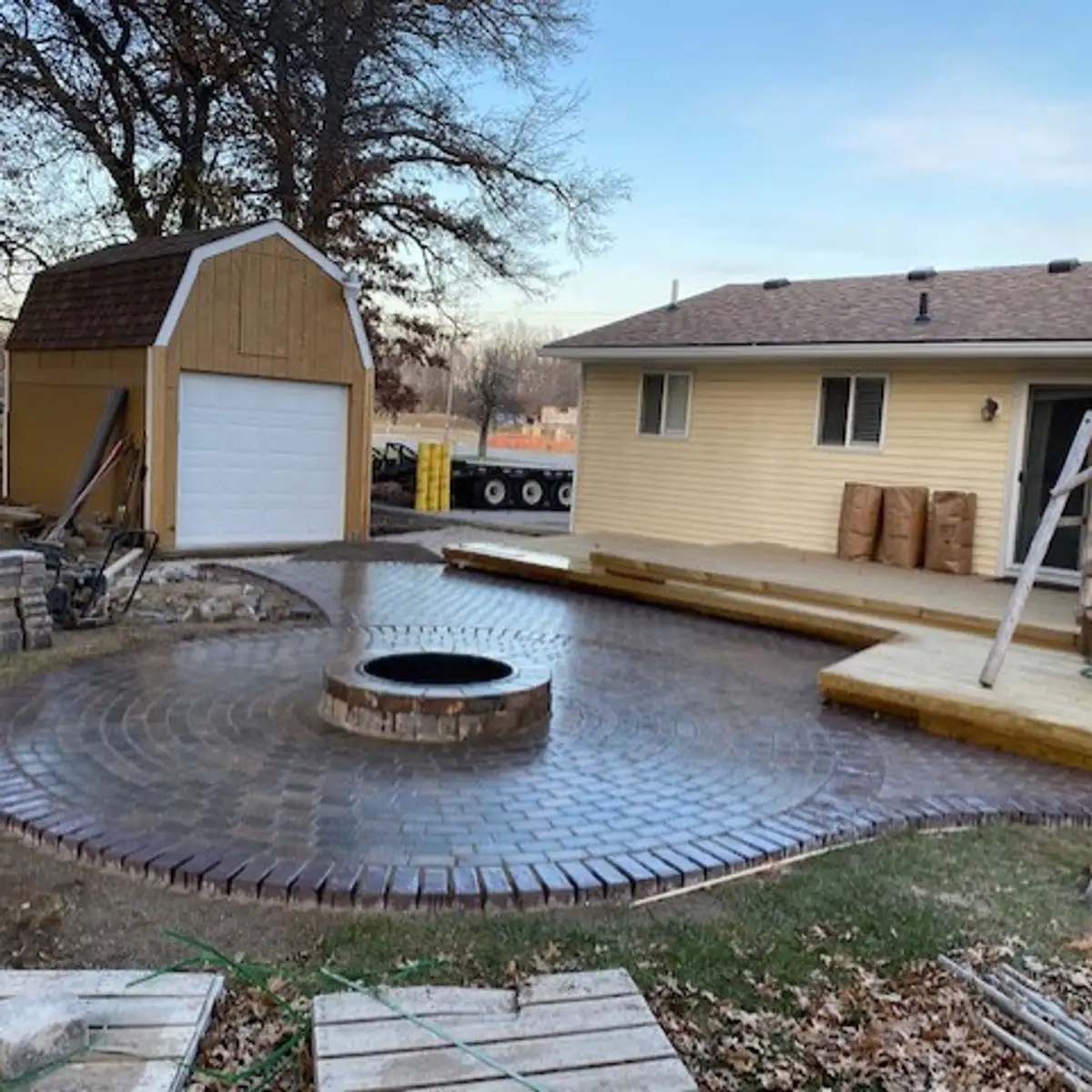
Routine mowing, trimming, fertilization, and seasonal cleanup are maintenance services. Reworking planting beds, correcting a grade transition, building a patio or walkway, adding a retaining wall, and coordinating lighting or outdoor living areas are installation and design decisions. If the goal changes how the property looks, drains, or is used, begin with a landscaping contractor who handles that kind of work.
Be specific about the outcome. “Improve the backyard” might mean creating a level gathering space, connecting the door to a patio, screening a view, replacing overgrown beds, or correcting a wet low spot. Naming the problem helps a contractor decide whether the project needs focused installation, a broader landscape design, or several coordinated phases.
What Should the Contractor See During the Site Visit?
Walk the whole work area, not just the place where new materials will go. Point out downspouts, standing water after storms, settlement, steep slopes, tree roots, irrigation, utility equipment, and narrow side-yard access. Also identify anything that must stay, such as mature trees, an existing walk, a fence, or a section of patio.
These conditions can change the order of work and the preparation required. Water movement should be understood before beds or paved surfaces are set. Equipment access and material staging should be discussed before finished lawn or planting areas are disturbed. The Troy landscaping guide explains why shade, clay-heavy soils, drainage, and established lots deserve early attention.
Which Details Belong in the Same Plan?
- Finished elevations for patios, walks, steps, doors, and adjoining lawn
- Drainage paths, downspout outlets, low areas, and soil preparation
- Protection for trees, roots, existing pavement, and structures that remain
- Routes for future lighting, irrigation, or other underground work
- Plant sizes at installation and the room they need at maturity
- Construction access, material storage, cleanup, and lawn restoration
A new patio affects circulation and water runoff. Retaining walls affect slopes, steps, planting space, and drainage. Treating those items as one plan can prevent later phases from cutting through finished work. If the work is being phased, ask what needs to be built first and what should be prepared now for later additions.
How Should I Compare Landscaping Prices?
Price comparisons only help when the proposals describe the same result. One estimate may include demolition, excavation, base material, hauling, disposal, finish grading, and lawn repair while another leaves several of those items out. Plant sizes, material selections, quantities, access, and site protection can also change the total.
Hourly questions—including whether $100 per hour is high or what two hours of yard work should cost—need context. Ask how many people the rate covers, whether machinery is included, whether there is a minimum charge, and how materials and disposal are billed. For an installation, a clearly defined total scope is usually more useful than an isolated labor rate.
What Should a Written Proposal Confirm?
The proposal should identify the work area, preparation, materials, quantities or allowances, cleanup, restoration, exclusions, payment terms, and the process for approving changes. It should also clarify who is responsible for utility coordination, permits, or association review when those items apply.
Before accepting a schedule, ask what must be finalized first, how weather or material availability could affect timing, and what access the crew will need. A start date is more meaningful when the design decisions, site responsibilities, and scope are already settled.
How Do I Compare Landscaping Companies in Troy?
Start with fit: does the company do the type and scale of work you need? Then compare how each contractor explains the site, proposed preparation, materials, sequence, aftercare, and written scope. Ask for relevant examples, references you can check, proof of insurance, and credentials that apply to the proposed work.
Clear communication before booking matters because landscaping often combines several trades and site conditions. A contractor should be able to explain why one approach fits the property, what remains undecided, and what could change the price or schedule.
What Care Will Be Required After Installation?
Ask what needs attention during the first days, weeks, and seasons. New plantings may need a specific watering and monitoring routine. Paved areas, walls, lighting, or water features may have inspection, cleaning, or seasonal needs. Confirm who handles establishment care and when you should report drainage, settling, plant stress, or another concern.
Maintenance expectations should influence the design before installation. If you want fewer pruning tasks, limited seasonal cleanup, or simple bed edges, say so early. A landscape is a better long-term fit when its care matches the time you want to spend on it.
Frequently Asked Questions
Is $100 an hour too much for landscape work?
An hourly rate is not enough to evaluate a landscaping proposal. Ask whether the figure covers one person or a crew, which equipment is included, whether materials and disposal are separate, and what result the quoted time is expected to produce. Compare the complete scope and total project value.
How much should you pay for landscaping?
The appropriate budget depends on the project's size, access, demolition and preparation, materials, planting, equipment, and finish work. Ask for written proposals that describe the same result so you can compare inclusions, exclusions, and allowances rather than relying on a broad average.
How much does two hours of yard work cost?
The answer changes with the task. Two hours of hand cleanup is different from two hours that require a crew, machinery, hauling, or purchased materials. Describe the work clearly and ask about minimum service charges, crew size, equipment, and disposal before comparing quotes.
How do I choose among landscaping companies in Troy, Michigan?
Look for a contractor whose services match the project and who can explain the existing site, proposed preparation, materials, schedule, responsibilities, and care requirements in writing. Compare relevant experience, references you can verify, insurance, communication, and the completeness of the proposal.
What site conditions should I mention before a landscaping visit?
Mention standing water, runoff after storms, settling, steep grades, mature tree roots, narrow access, known utilities, existing irrigation, and anything that must remain. Photos taken during wet conditions can help explain problems that may not be visible on a dry appointment day.