

The best time to clarify a landscaping project is before it reaches the calendar. Troy homes can bring several conditions into the same job: established trees, compacted or clay-heavy soil, older walks and patios, narrow side-yard access, changing grades, and water that collects after storms. A useful estimate should account for those conditions as well as the finished look.
Use these questions to decide what you need, compare proposals on equal terms, and spot details that could otherwise become changes later. They apply whether you are refreshing front-yard planting or coordinating landscaping, drainage, a patio, walls, and lighting across a larger renovation.
Before the First Site Visit
- List the problems you want to solve and the ways you want to use the space.
- Photograph the work area, access route, slopes, downspouts, and wet spots after rain.
- Identify healthy trees, plants, structures, and views you want to keep.
- Note your preferred timing and any improvements you may add in a later phase.
- Be realistic about the watering, pruning, cleanup, and seasonal care you want to manage.
What Result Should the Project Deliver?
Start with function before products. “Update the backyard” might mean creating a level dining area, improving the path from the driveway, gaining privacy, moving water away from a low spot, or simplifying maintenance. If those priorities are not ranked, two contractors can price entirely different versions of the same request.
Explain what is not working now and how you want the property to feel and function afterward. A focused planting update may solve one issue. Multiple connected needs may benefit from a coordinated landscape design so grades, circulation, hardscaping, planting, drainage, and future work support one another.
How Does the Plan Respond to the Troy Property?
Ask what the contractor observed about slope, runoff, soil, sun exposure, mature roots, utilities, door thresholds, and equipment access. These are not background details. They can influence excavation, drainage, plant choice, base preparation, delivery, and restoration.
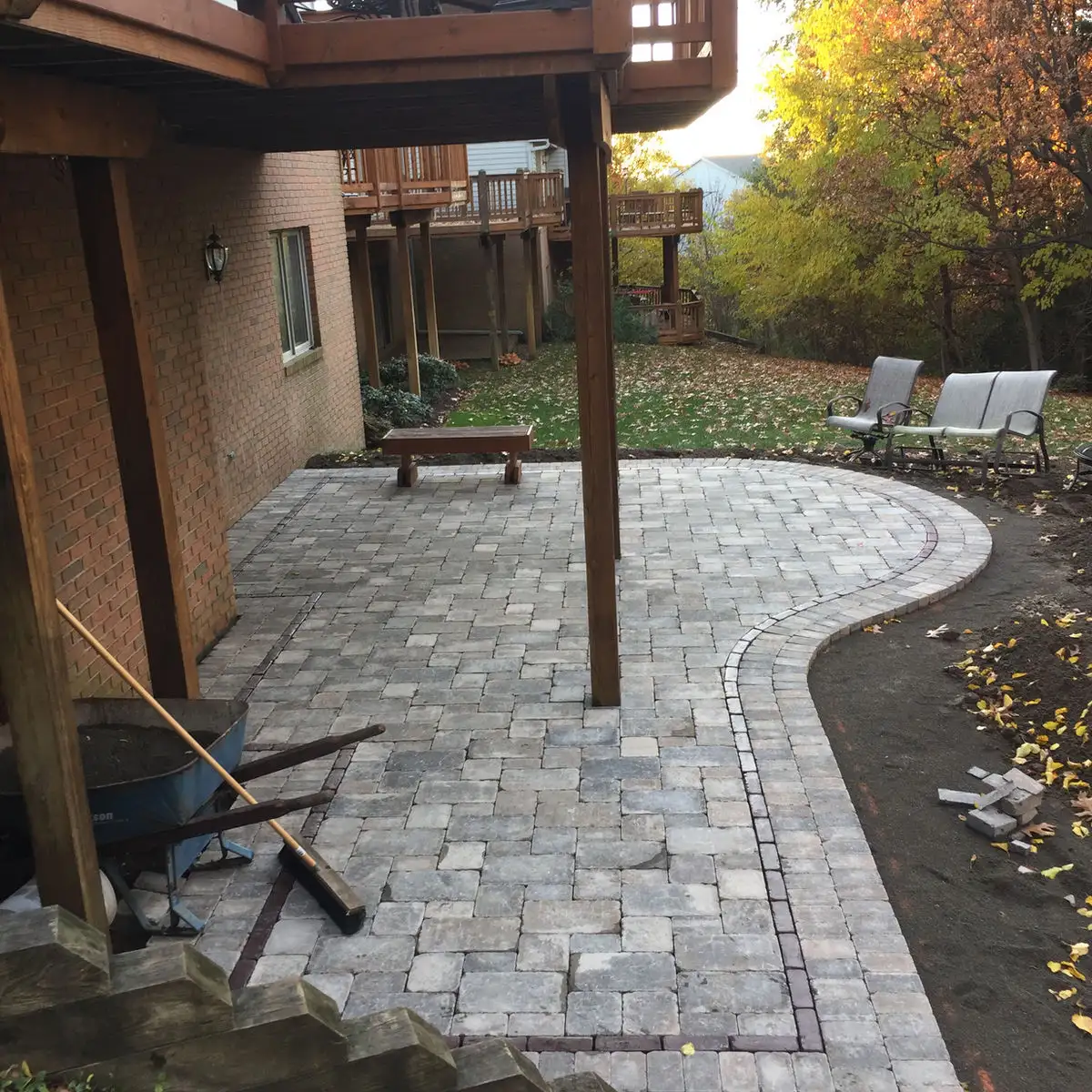
Michigan freeze-thaw cycles make preparation especially important for paved surfaces and walls. For a patio or walkway, ask how the base, pitch, edges, and connections to steps or doors are addressed. For a retaining wall, ask how water will move behind and around it. Earth Art’s Troy landscaping page covers additional planning considerations for established local properties.
Is the Written Scope Complete Enough to Compare?
A total is only useful when you know what it includes. Depending on the project, the proposal may need to identify removal, excavation, hauling, aggregate or soil preparation, grading, drainage, material type, plant sizes and quantities, installation, cleanup, and restoration along the equipment route.
Look for clear exclusions, too. If irrigation, electrical work, permits, utility work, lawn repair, or ongoing plant care is outside the scope, that should be visible before work begins. Ask how concealed conditions and requested changes will be documented and approved.
Should I Compare Hourly Rates or Project Pricing?
“What do landscapers charge per hour?” is common, but an hourly number has little meaning without context. One hour may represent one person with hand tools or a crew with specialized equipment. Travel, mobilization, delivery, disposal, insurance, and supervision may also be handled differently.
The same issue applies when asking what two hours of yard work should cost. For a small, clearly defined task, ask about crew size, minimum charges, equipment, materials, and disposal. For design-and-build work, compare the written scope and intended finished result. A lower hourly rate does not help if preparation is missing or the estimate does not cover the same work.
What Is a Realistic Landscaping Budget?
There is no dependable average cost for every yard. Renovating a planting bed is fundamentally different from rebuilding a landscape with removals, grading, drainage, patios, walls, lighting, and new planting. Even similar-sized Troy lots can need different work because access, roots, soil, elevations, and the condition of existing features vary.
A more productive budget discussion separates priorities into must-haves, valuable additions, and possible future phases. Ask which work must happen together to avoid rework. Drainage, utilities, base work, structural walls, and major hardscape elevations usually need to be coordinated before finish planting and lawn restoration.
Will the Planting Still Work When It Matures?
A new planting plan should explain more than color at installation. Ask how each selection fits the light, moisture, winter exposure, mature width, nearby pavement, views from inside the home, and the amount of care you want to provide. Plant quantities should allow the composition to fill in without crowding walks, windows, or one another.
The “rule of three” can help create rhythm through repetition or odd-numbered groups, but it is a guideline rather than a planting formula. Three large shrubs may overwhelm a narrow foundation bed, while a groundcover drift may need many more plants. Scale and site conditions should decide the quantity.
What Maintenance Begins After Installation?
Ask for clear expectations for the first growing season. New trees, shrubs, and perennials need establishment watering, and the schedule changes with weather, soil, and plant type. Beds need weeding and mulch care; some plants need pruning or seasonal cleanup. Paver joints, drains, lighting, and water features have separate maintenance needs.
If you want a lower-maintenance landscape, make that part of the design brief. It can affect plant variety, spacing, bed size, edging, irrigation planning, and the balance between planted and paved areas.
What Should Be Confirmed Before Scheduling?
Before reserving the work, confirm the final drawings or scope, materials, plant quantities, assumptions, exclusions, access route, payment terms, and change process. Ask which selections are still open, whether lead times affect the sequence, and how weather may move the schedule. If other trades are involved, clarify who coordinates their work.
A complete pre-booking conversation does more than prevent surprises. It gives every proposal the same target and makes it easier to choose based on preparation, durability, function, and long-term care.
Frequently Asked Questions
What should I ask before hiring a landscaper in Troy, MI?
Ask how the plan addresses drainage, grade, soil, sunlight, mature trees, utilities, and access; what is included and excluded; which materials and plant quantities are specified; how changes are approved; and what maintenance the finished landscape will need.
What do most landscapers charge per hour?
Hourly rates vary because crew size, equipment, travel, hauling, disposal, insurance, supervision, and the type of work differ. For a design-and-build project, compare complete written scopes and finished outcomes instead of using an hourly rate by itself.
How much does two hours of yard work cost?
Two hours is not a complete pricing unit unless the contractor also defines crew size, equipment, travel or minimum charges, materials, disposal, and the work that can realistically be completed. Ask for a written scope for the specific task.
What is the average cost to landscape a yard?
There is no dependable average for every yard. Removal, access, grading, drainage, materials, plant sizes, equipment, restoration, and the number of connected features can change the scope substantially. Compare proposals written for the same result.
What is the rule of three in landscaping?
The rule of three is a design guideline that uses repetition or odd-numbered groupings to create rhythm. It is not a fixed formula; mature size, available space, sunlight, moisture, views, and maintenance determine the right plant quantities and spacing.
How do I request a Troy landscaping estimate?
Use the Earth Art Landscaping contact page or call 810-343-4799. Share the property address, photos of the work and access areas, the problems you want to solve, features that should remain, desired timing, and any later phases you are considering.